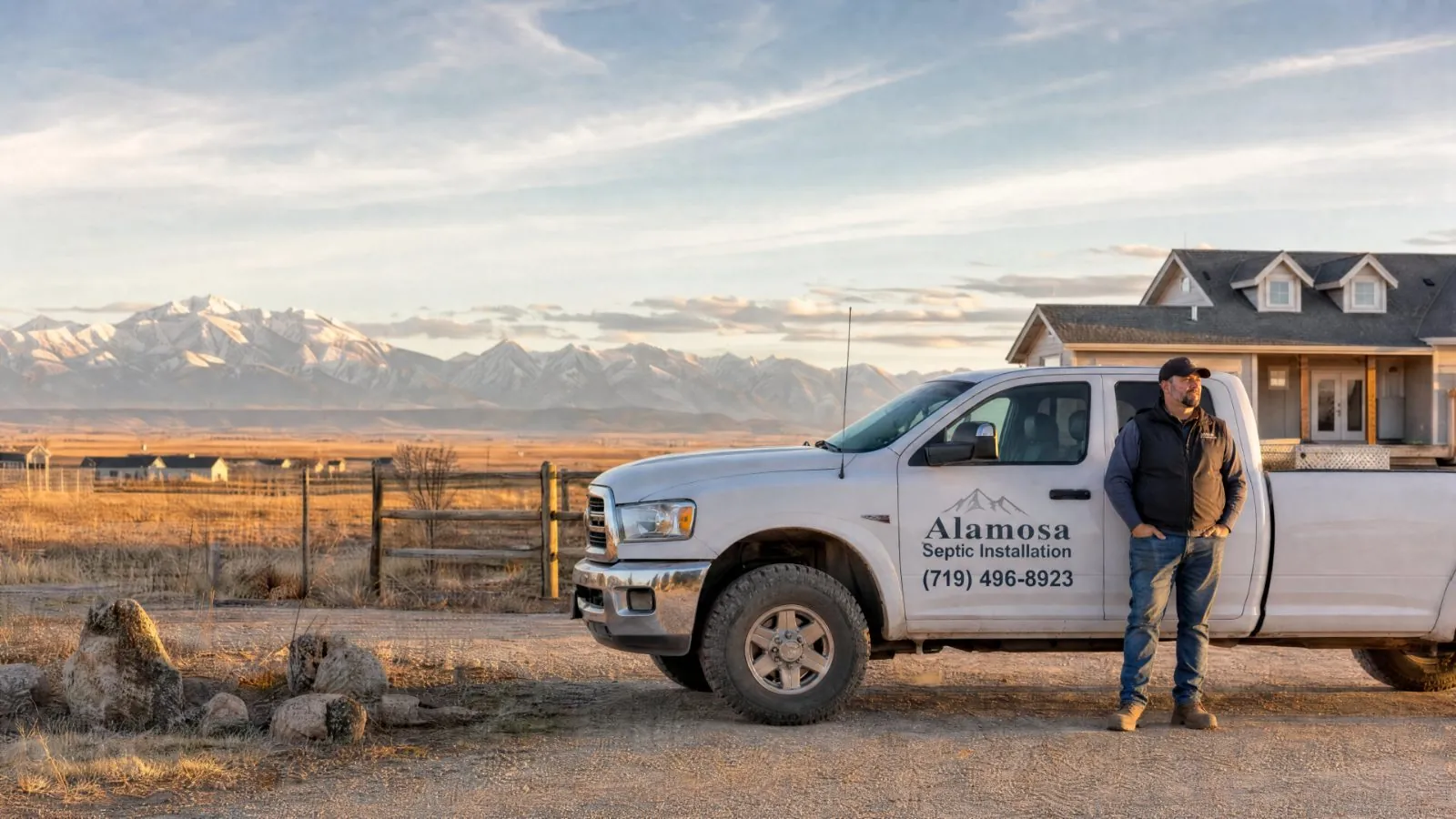
New Septic Systems for Local Properties
New Septic System Installation in Alamosa, CO
Building on land without sewer service? Start with your property details.
We connect property owners with independent septic contractors.
Request an Installation Quote(719) 496-8923New Septic Installation Starts With the Right Plan
Installing a septic system is a major step in preparing a property for a home or other approved use. The system must handle the expected wastewater flow while fitting the available land and meeting the applicable onsite wastewater treatment requirements. The tank, piping, and absorption area must work together as a complete system.
At Alamosa Septic Installation, we focus on helping property owners understand what goes into new septic installation. In the San Luis Valley, soil differences, groundwater, irrigation features, cold weather, and rural access can all influence the project. We approach these considerations before treating excavation as the first step.
Alamosa Septic Installation Is Proud to Serve San Luis Valley
What Goes Into a New Septic System Installation
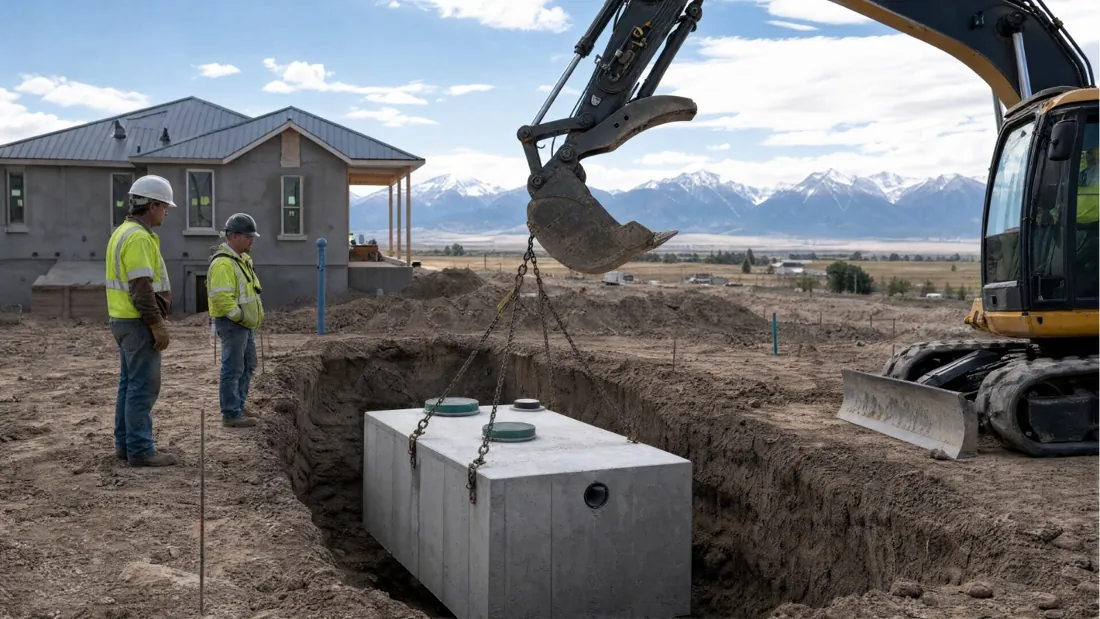
A new septic installation includes more than setting a tank underground. Successful installation depends on an approved design, suitable materials, careful excavation, correct component placement, and required inspections. Each property needs a system based on its own site evaluation and intended wastewater use.
Property Review and Site Planning
The first consideration is how the property will be used and where a septic system could reasonably fit. A proposed house location, well, driveway, property boundaries, drainage features, and future improvements may all influence the layout. We encourage owners to gather site plans and available parcel information early. Understanding these features can help identify potential conflicts before excavation begins.
Soil Evaluation and System Selection
The soil treatment area is essential to the performance of an onsite wastewater system. Site and soil evaluation helps determine whether the soil can accept and treat wastewater under the applicable standards. Groundwater depth and other subsurface conditions also matter. Different properties may require different system configurations. The final selection should follow the documented evaluation, approved design, and local regulatory requirements rather than a preferred tank or trench arrangement.
Septic Tank Installation
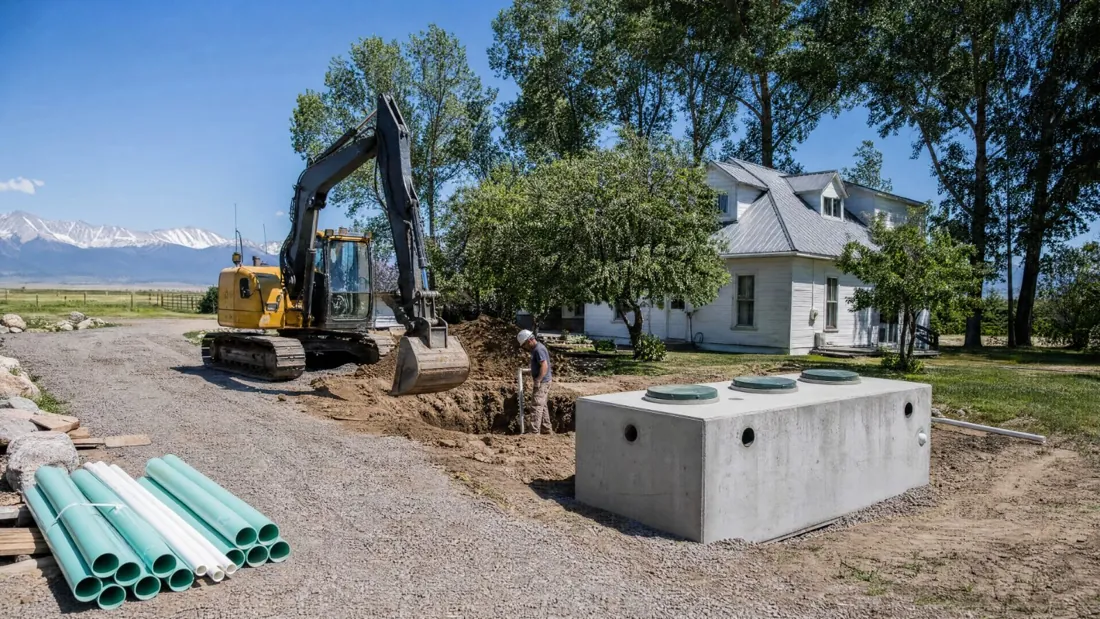
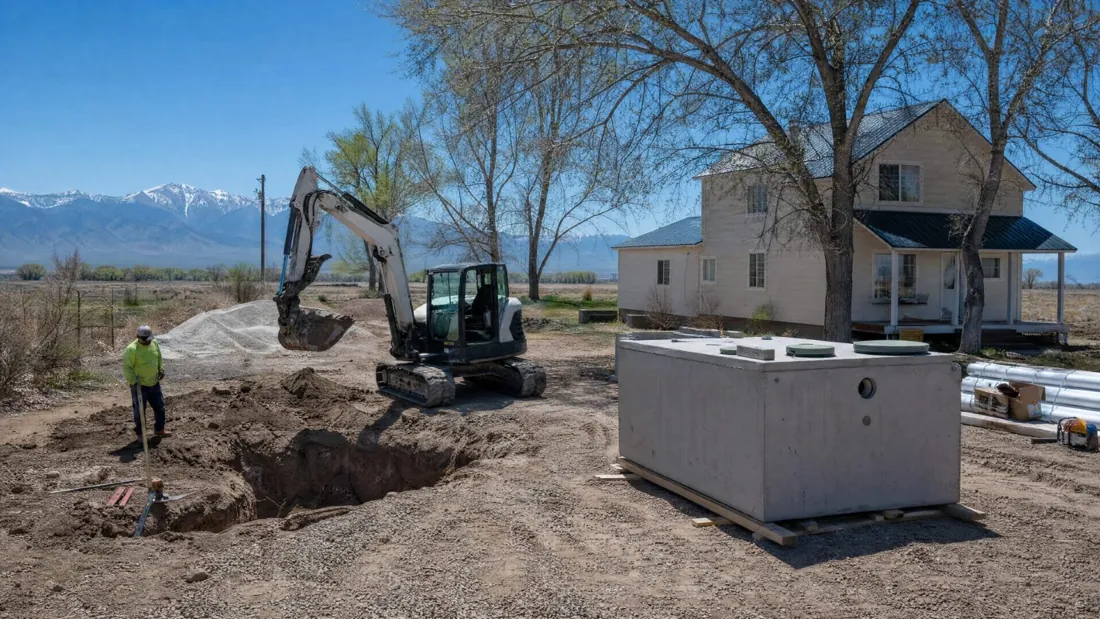
The septic tank receives wastewater and separates settleable solids and floating materials before liquid effluent moves to the treatment area. It must be properly sized, placed, connected, and accessible for ongoing maintenance. Tank installation involves preparing an appropriate excavation, establishing the correct elevation and support, making secure connections, and following manufacturer and design requirements. Appropriate backfill and site protection are also important.
Piping and Wastewater Distribution
Wastewater must travel from the building to the tank and then to the approved treatment components. Pipe alignment, elevation, slope where applicable, and connections can all affect system performance. The distribution arrangement depends on the approved design. Some systems use gravity flow, while others require additional equipment. The installation must match the selected configuration.
Soil Treatment Area Construction
The soil treatment area allows septic tank effluent to receive further treatment through contact with suitable soil. Its dimensions, configuration, materials, and elevation are determined by the approved system design. Construction should protect the intended soil treatment function. Unnecessary compaction, unsuitable backfill, or changes to the approved layout can create problems that are difficult to correct after the area has been covered.
Inspection, Backfilling, and Site Finish
Required inspections help confirm that important installation components match the approved plan before they are buried. Inspection procedures and timing depend on the responsible authority and project requirements. Once the necessary approvals are obtained, the remaining backfill and grading can be completed as appropriate. The final site should allow future access to serviceable components and protect the designated treatment area.
Why Choose Us for Septic System Installation?
Site-Specific Thinking
We do not assume that neighboring properties have identical installation requirements. Soil and groundwater conditions can change over short distances.
Practical Construction Planning
We consider excavation access, existing improvements, and installation sequencing before major ground disturbance.
Whole-System Awareness
We look at how each part of the approved system contributes to reliable wastewater management.
Clear Project Scope
We emphasize explaining the installation work, outside evaluations, permit steps, and inspection requirements.
Request an Installation Quote
A new septic system starts with knowing the land. Share your project information to discuss the next steps.
Free — no obligations
Our Approach to New Septic Installation
Share the Property Details
Tell us where the property is located, what you plan to build, and whether any site evaluations or septic plans already exist.
Review Site Requirements
Identify the information, evaluations, design work, and approvals needed for the proposed installation.
Establish the Installation Scope
Use the approved design and site conditions to define excavation, tank placement, piping, treatment area construction, and access.
Coordinate Construction Steps
Organize installation activity around the design, weather, property access, and required inspections.
Complete the Approved Work
Finish the applicable installation and site restoration steps after the necessary inspections and approvals.
Our Services in Alamosa, CO
Local Planning Resources
For a new system, start with the county’s permit and site evaluation information.
What Affects Septic Installation Cost?
A quote depends on the approved layout, tank capacity, type and size of the soil treatment area, and how equipment reaches the work. A replacement can also involve decommissioning old components and restoring disturbed ground.
Ask the installer to itemize design and soil evaluation, permit and inspection fees, excavation, materials, and final grading. A parcel address, planned bedroom count, and any existing permit or design help the installer give a more useful estimate.
See the Alamosa County residential development guide for planning details.